Domesticating technology, one cube at a time

In the 1960s, Germany's Braun designed radios with pure, rational forms. In Italy, Brionvega—making radios and televisions—sought a meeting point with technology where interaction felt natural, intuitive, fitting for the home environment.
In 1964, Zanuso and Sapper designed the TS502 radio, also known as "the cube." The radio is a transformable volume that changes whether it's in use or not. The idea was to integrate the object into the domestic environment by displaying it, not hiding it.
When closed, it's a perfect cube—a sculptural object. When open, it reveals its controls and speaker. Two states: sound when open, silence when closed. It's not a technological show-off piece, but neither is it a container hiding a control panel.
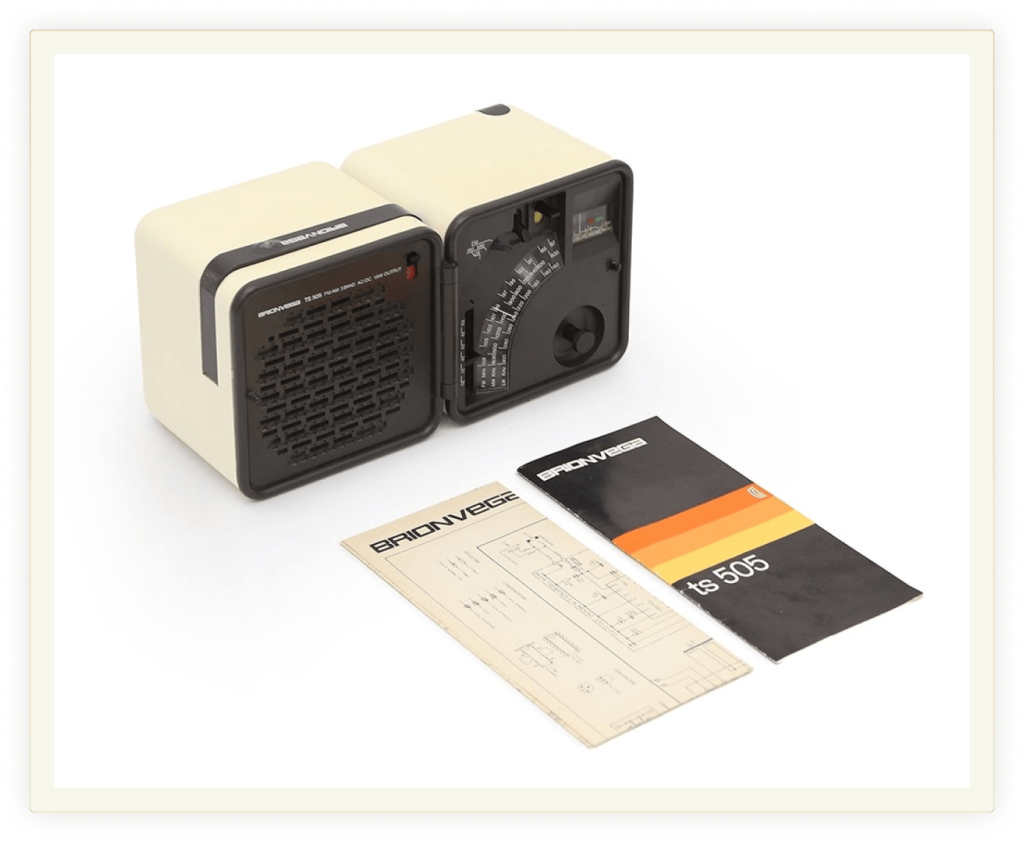

In perfect synthesis between aesthetic pleasure and ease of use, Brionvega carried out a kind of domestication of technology. Radios, televisions, and telephones entered into relationship with our ways of living, accompanying us in everyday life.
This approach was revolutionary. Technology wasn't something that demanded we adapt to it. Instead, it adapted to us, to our spaces, to our rituals. The cube could sit on a shelf like a book, be carried from room to room, become part of the furniture.

"Made to explore space and merge with it, to fill it and to shape it." — Richard Sapper & Marco Zanuso
All images © their respective photographers and creators. All rights reserved.