A museum once put beautiful things on display and called them horrors.
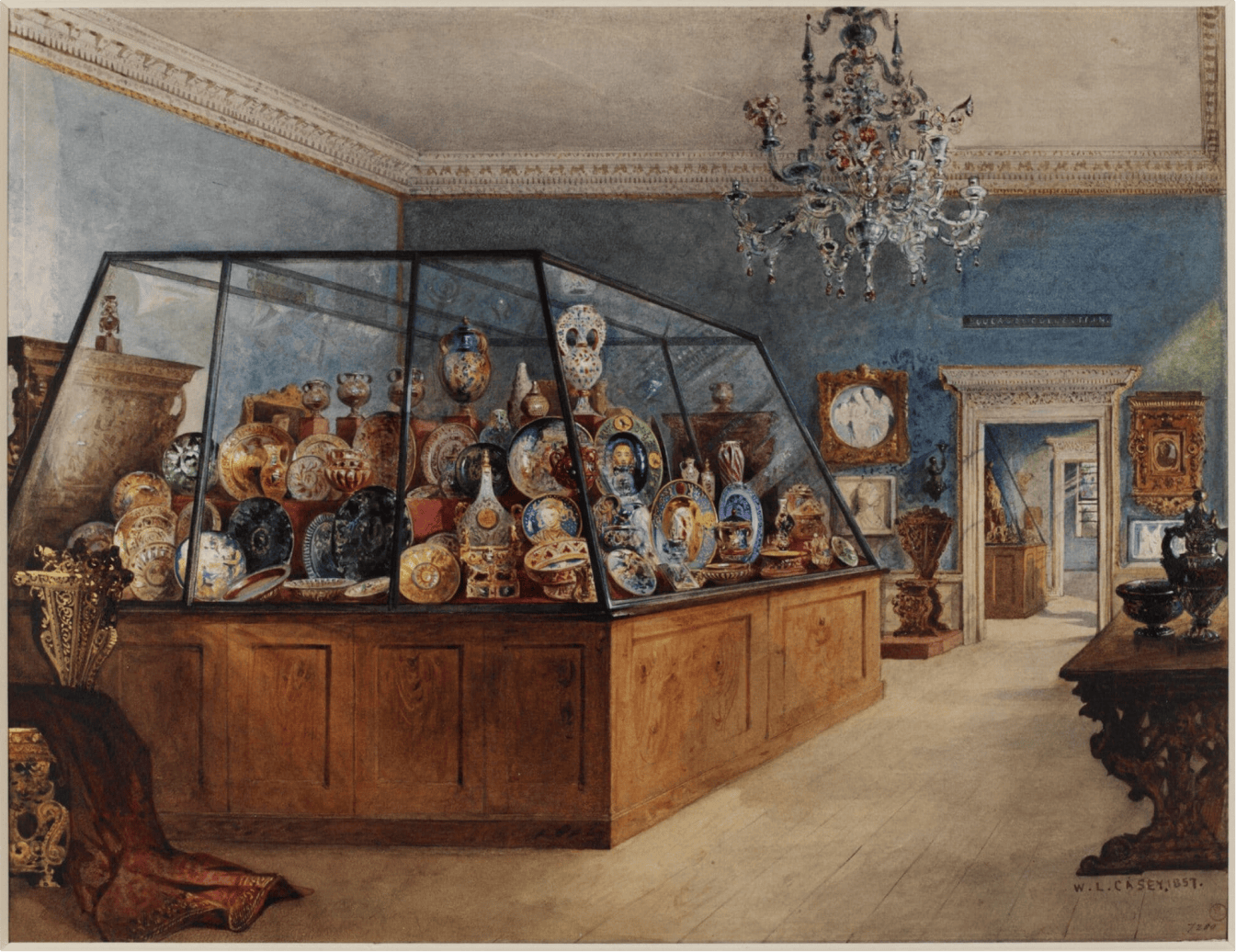
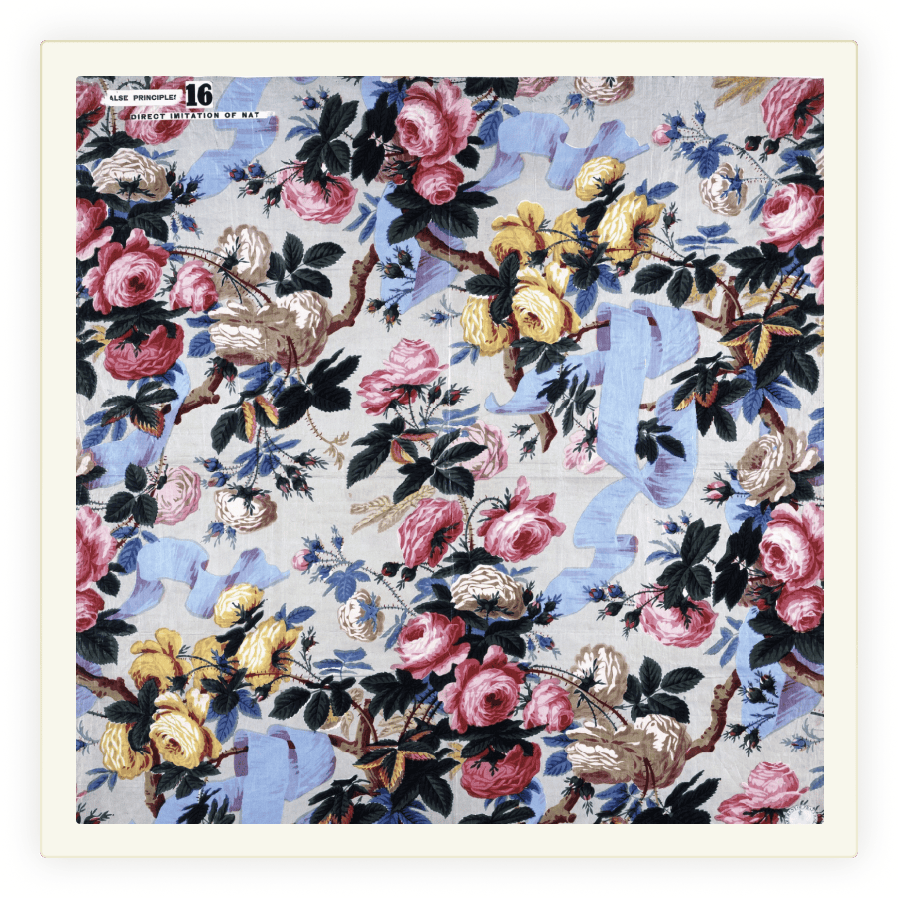
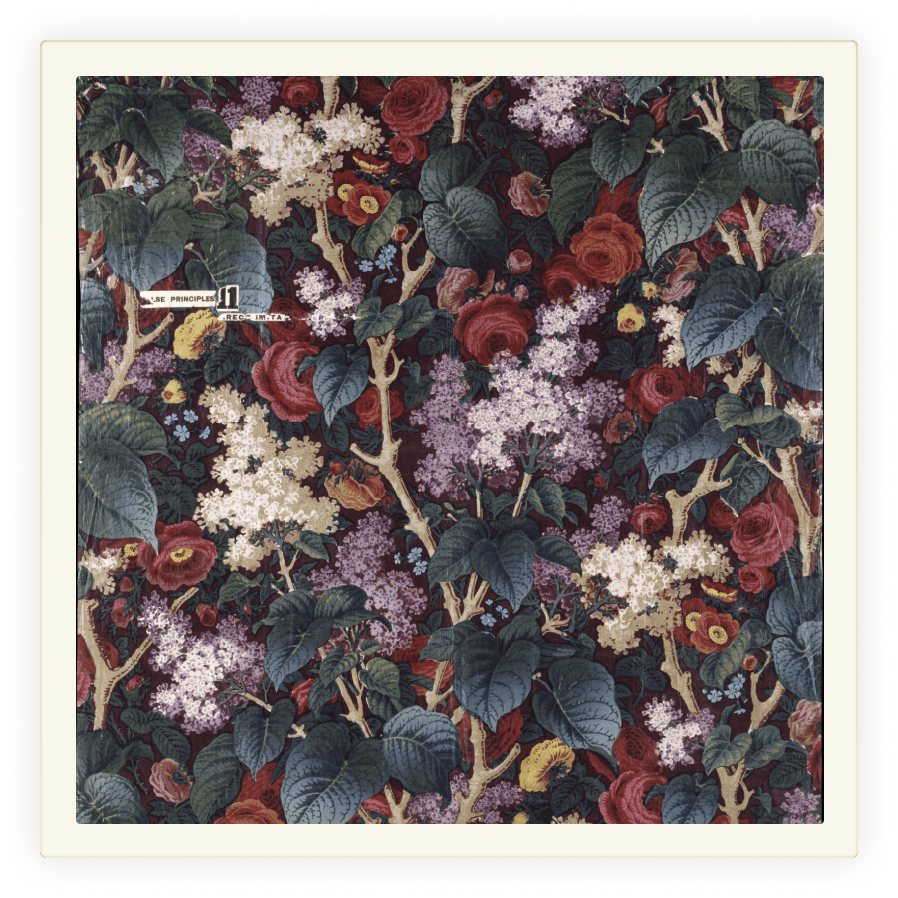
It was 1852. At Marlborough House in London — the building that would later become the Victoria and Albert Museum — an exhibition displayed objects meant to teach the public about bad design. Floral wallpapers. Curved ceramic forms. Textiles with naturalistic motifs. Things people loved and lived with every day.
Looking at it now, what's striking isn't the objects. It's the confidence. The horror wasn't aesthetic — it was moral. What they called taste was a particular set of values, born from a particular cultural moment, dressed up as universal truth.
I've been thinking about that room lately, because the word taste has come back. In tech circles, it's become the answer to a question everyone is quietly asking: what are humans for, now that machines can do most of the work? The answer arrived clean and reassuring. Taste. The ability to select. The curator's eye. A skill you either have or you don't — and, crucially, one that can be trained.
That last part is worth sitting with. Because the way we talk about training your eye today mostly means curating your inputs. The right accounts, the right references, the right aesthetic diet. Frictionless, optimized, delivered. I suspect that's closer to the opposite of what actually forms a perspective.
There's a difference between curating your references and being shaped by what you didn't choose. The friction of an object that confuses you, a place that doesn't match any aesthetic category you know, an experience that has no mood board — that kind of exposure doesn't feel like education at the time. It just feels like life, and it rewires you.
Which brings me to what bothers me about the whole framing. Whoever defines the options has already made the most consequential decision. Choosing between three AI-generated proposals isn't exercising judgment — it's validating a space of possibilities that someone else drew. You feel like you're deciding. But the boundaries were set before you opened the file.
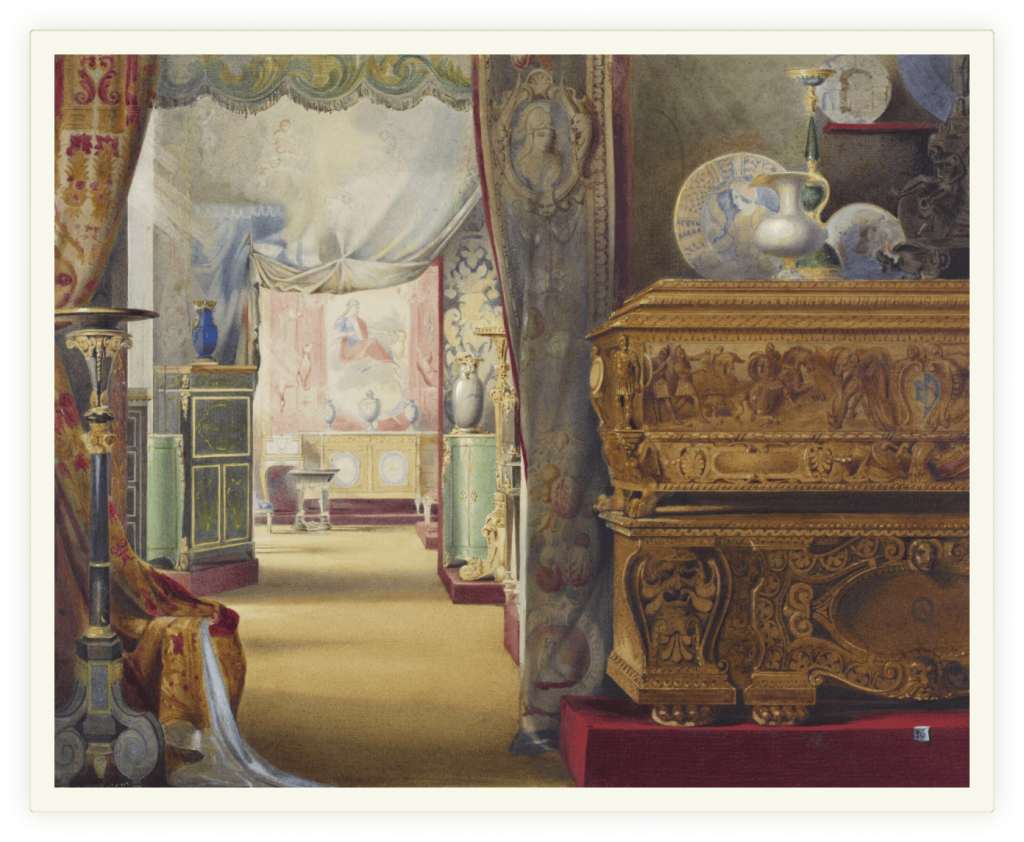
What I keep coming back to is something less glamorous than taste, and harder to package as a skill. It's the fact that everything you've lived — every object that once made you stop on the street, every place you had to turn back to see again, every loss that changed how you see — has quietly built the lens through which you interpret the world. You didn't select it. You are it. And that's not a personal achievement. It's the residue of a specific life in a specific place and time.
Which makes me wonder: a hundred and fifty years from now, what will our Chamber of Horrors look like? What will seem so clearly loaded, so obviously of its moment, that future visitors will find it hard to believe we couldn't see it ourselves?
Probably whatever we're calling universal right now.
All images © Victoria and Albert Museum, London.